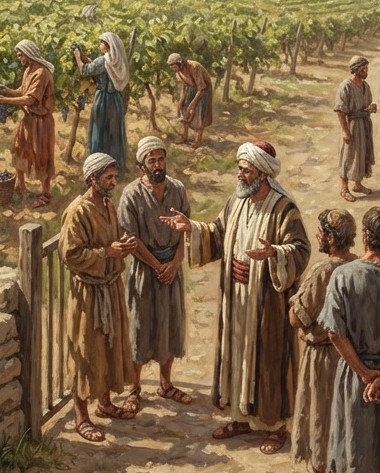


Jesus and his disciples, weary and thirsty from a day’s journeying, stop outside a city. Jesus sends his disciples into the city for food and waits for them in the withering heat, taking a seat near the town’s well.
A lone woman approaches toward the well. She is carrying a large jug. She deliberately avoids socializing with other women who normally arrive earlier to collect water in the cooler day. Underlying her shady past is her thirst for authentic love, connection, and relationship.
And then Jesus spoke to her, which, really, he shouldn’t have done at all. a Jew and a Samarian, a man and a woman, all alone at the well, would not have ordinarily spoken to each other. Woman, give me a drink,” he says. The conversation that Jesus then has with the woman at the well is the longest Jesus has with anyone, anywhere recorded in the gospels.
She is spiritually thirsty, longing for authentic happiness, as we all are. When she hears what Jesus is offering she is immediately ready for the living water that he promises. “Sir, give me this living water, that I may never be thirsty or have to keep coming here to draw water.”
“The hour is coming, and is now here, when the true worshippers will worship the Father in spirit and truth, for the Father seeks such as these to worship him,” Jesus replies. Jesus thirsts for all people to be true worshippers of the Father.
Jesus makes no assumptions about this woman’s past, her personal morality, or her previous choices. Instead, he encourages this woman to acknowledge the truth about herself and to see for herself who she really is – not by accusing her or damning her, but by practicing compassionate listening. This Lent, are we prepared to do the same for others?