
As we enter into the solemn threshold of Holy Week, the liturgy of Palm Sunday gathers up the whole movement of Lent and places it before us in a single, piercing gaze: the journey of Christ toward His Passion, and the invitation for us to follow Him there with hearts made ready.
The Gospel procession begins with a quiet but profound moment: the simple, willing response of the owner of the colt. In the words, “The Master has need of it,” there is no resistance, no bargaining - only a free and immediate surrender. In many ways, this small act reveals the fruit that Lent has been seeking to cultivate in us. Over these past weeks, we have labored to return to the Lord with our whole hearts, to loosen our grip on what we possess - our time, our preferences, our very selves - so that when He speaks, we too might respond with that same readiness: The Master has need of it. The Master has need of me.
The first reading from Isaiah deepens this interior posture. The image of the suffering servant is not one of passive resignation, but of disciplined love: a well-trained tongue that knows how to speak to the weary, an ear attuned to listen each morning, and a heart strengthened with fortitude that does not turn back in the face of suffering. These are not virtues formed overnight. They are the quiet, hidden fruits of daily fidelity - of choosing recollection over distraction, encouragement over indifference, perseverance over discouragement. If Lent has been lived well, then these dispositions have begun to take root within us, preparing us not only to accompany Christ, but to resemble Him.
The Psalm holds before us the paradox that lies at the heart of the Passion: “My God, my God, why have you abandoned me?” and yet, “I will proclaim your name to my brethren.” It is the cry of desperation intertwined with an act of unwavering trust. This is not a contradiction, but the fullness of love tested in suffering. It reminds us that fidelity does not always feel like consolation; often, it is precisely in the experience of abandonment that our praise becomes most pure, most surrendered. To remain, to trust, to praise—even there—this is the offering of a heart conformed to Christ.
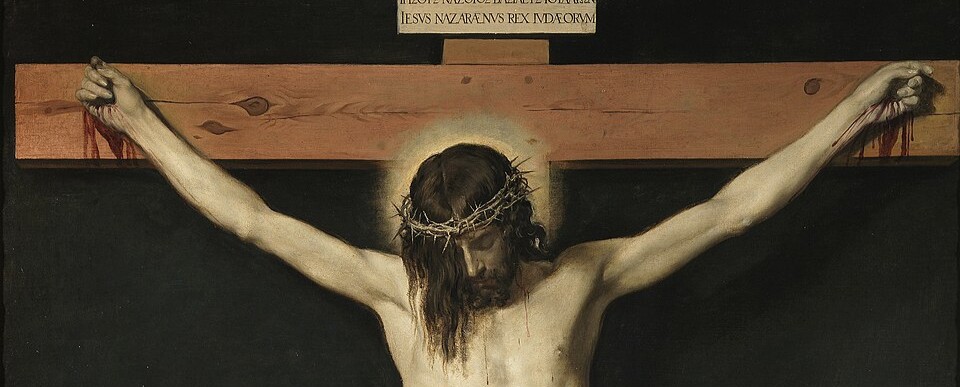
And Christ Himself, as St. Paul proclaims, is the model and source of all of this: the One who emptied Himself, taking the form of a slave, humbling Himself in obedience even unto death on a cross. His Passion is not imposed upon Him; it is freely embraced. Every step, every word, every silence is a gift of self for our salvation.
In the Passion narrative, we see both the fragility and the strength of the human heart. Some flee, some deny, some mock. Yet others remain: the Blessed Mother, the beloved disciple, the holy women. Their fidelity does not remove the suffering, but it transforms it into a communion of love. Lent has been our training ground for precisely this - to deepen our capacity to remain with Christ, to love when it costs, to give ourselves without reserve.
Now, as we enter the sacred days of the Triduum, we are invited not simply to observe, but to participate. If we have learned to say, even in small ways, “The Master has need of it,” then we will find ourselves drawn into the mystery of His Passion - and, by His grace, into the joy and glory of His Resurrection.